Study preparation
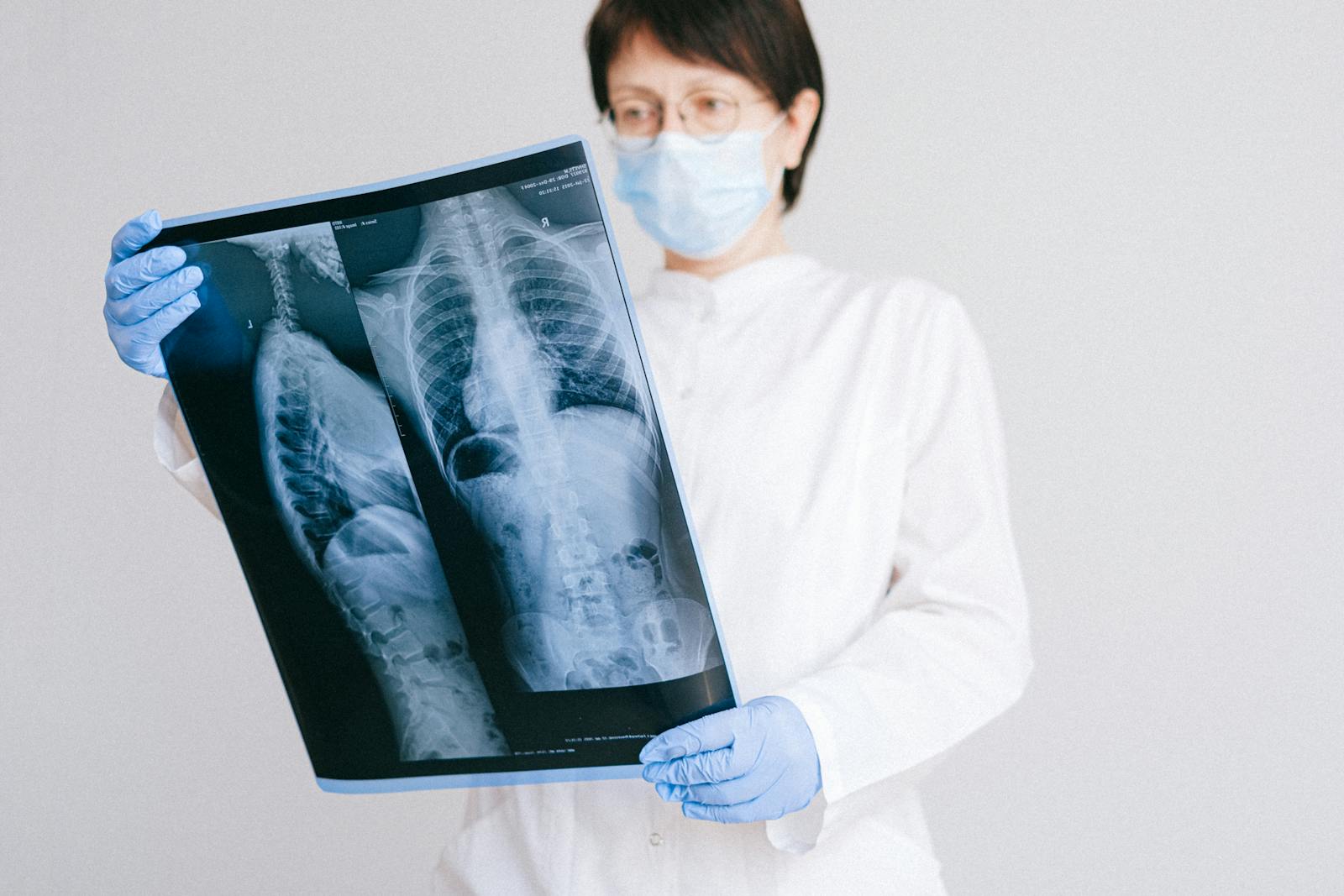
Bring exam details, clinical notes, priors, and key context together before the radiologist opens the case.
Radiology AI Copilot
Clariscop helps imaging teams prepare studies, compare prior exams, draft structured reports, and route urgent cases—while keeping final clinical judgment with the radiologist.
What it does
Bring exam details, clinical notes, priors, and key context together before the radiologist opens the case.
Create editable drafts from approved templates so the first version is already organized and consistent.
Move likely urgent cases higher in the queue so the right studies are seen sooner.
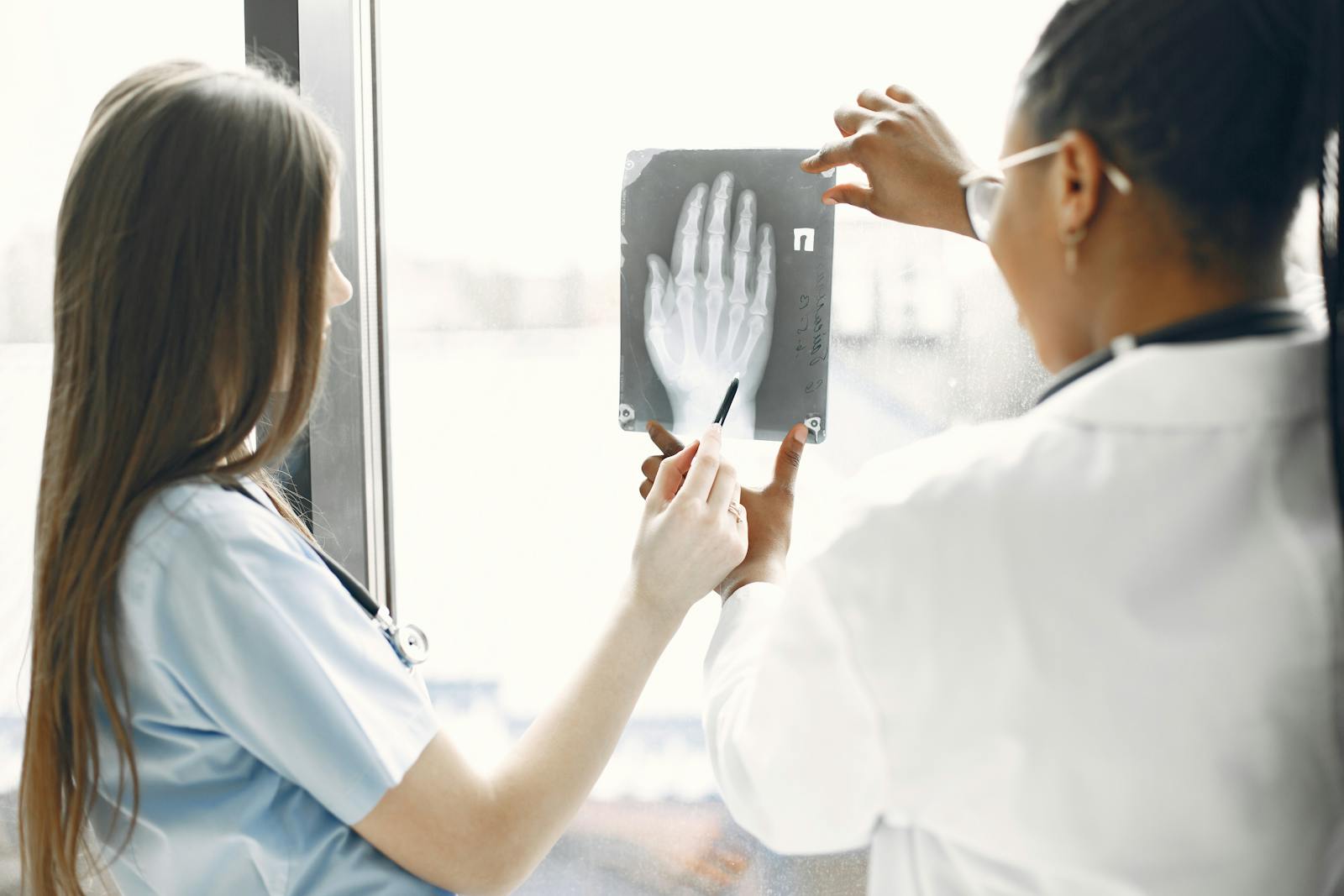
Match earlier studies, surface relevant changes, and make follow-up review less repetitive.
Support second reads, comments, reusable templates, audit trails, and consistency checks across the team.
Designed to fit into existing imaging workflows instead of creating one more isolated system.
Why it matters
For most imaging teams, the hard part is not finding another algorithm. It is staying reliable under pressure: pulling the right priors, keeping reports consistent, and making sure urgent work reaches the right person in time.
Clariscop is built around the ordinary but expensive moments in the day—the steps that interrupt focus, create rework, or slow a team down.
Workflow
Bring in study details, patient context, and prior exams.
Summarize the case and line up the relevant history.
Surface the studies that may need attention first.
Build a structured first draft from approved templates.
Edit, collaborate, quality-check, and sign off.
Keep follow-up, audit, and operational history together.
Plans
Choose the plan that matches your current volume, team size, and integration needs.
Pilot
For individual radiologists or small teams testing the workflow.
Clinic
For imaging centers and outpatient teams that need a shared workflow.
Network
For health systems, multi-site imaging groups, and larger deployments.
Market benchmarks
Public pricing across adjacent products varies widely by product scope, deployment model, and level of integration.
Pisum’s published individual plans for radiology reporting software.
View sourcePisum Clinic’s published team plan for multi-site reporting workflows.
View sourcePostDICOM’s published plans for cloud PACS and DICOM access.
View sourceMedicai’s published monthly plans for imaging management and collaboration infrastructure.
View sourceWhere Clariscop fits: department-ready software with room to expand across sites as volume, users, and integration needs grow.
Why customers buy
Less time spent gathering context and repeating clerical work.
Templates and review tools reduce avoidable variation across the team.
As volume grows, coordination does not have to grow at the same rate.
FAQ
No. Clariscop is a workflow assistant. It helps prepare, draft, prioritize, and coordinate work; final clinical judgment stays with the radiologist.
It is designed around existing imaging workflows and can be integrated around DICOM, reporting templates, and current systems. The exact scope depends on the customer environment.
The best pilots usually start with high-volume, repeatable work: follow-up studies, template-driven reporting, or a single imaging center with a clear workflow.
Data security, permissions, workflow review, local regulatory checks, and clinical validation all need to be addressed before deployment.
Next step
Talk with our team about your current setup, reporting process, study volume, and integration needs.